
Friday, 29 January 2016
Mr Strutt's Mill, Character 4, Billy by Bridget McLarnon, White Peak Writers
A small boy, grubby, pale and snuffly. A baggy felt hat is collapsed over upper face and ears while his trailing muffler, shirt and jacket are also too large for him. The sleeves are rolled up above his wrists. The shirt is white rubbed to pale grey, everything else is shades of dusty brown with occasional skims of grease. His trousers are held by twine wrapped around his waist, the legs have been cut down with fraying edges just above bony ankles. No shoes. Feet are white-skinned, gritty, too small for the rest of him. Voice faint, he is half-asleep.
 Billy. They said I was seven. I can get under lots of machines. Mother brought us from Manchester, it took three coaches and a wagon from first light yesterday, we slept under a bridge. We used work in t’ mill in Manchester – we all did except Mother. Father’s dead – last year. Mother heard was better wages and houses here. She found a golden guinea – in the street. Just lying there, like.
The man in the fine coat said I was too young to work. Our Joan could stop home with me. We could go to Sunday school and learn to read. Mother was cross, said a widow-woman like her couldn’t afford us to sit round like gentry. The man said that her and our four eldest should earn enough for all. Mother said that me and our Joan would waste more than she could earn and the others wouldn’t come regular unless she was at home to shoo them out. The man said if they were able to work in the mill, they should be able to behave at home. Mother then said she’d try it out but when the man said about paid in tickets for milk, coal and the like she wasn’t having any of that nonsense, she said we would be off! She pulled me up but I started crying because Sunday school and tickets for milk sounded nice. I said they hit us with straps when we fell asleep at’ other mill and the man in the fine coat said that wasn’t allowed at his mill. Mother said alright, alright, we’d stay, give it a go if I’d stop the noise. They gave me a cup of milk for myself after.
Bridget McLarnon
White Peak Writers
Billy. They said I was seven. I can get under lots of machines. Mother brought us from Manchester, it took three coaches and a wagon from first light yesterday, we slept under a bridge. We used work in t’ mill in Manchester – we all did except Mother. Father’s dead – last year. Mother heard was better wages and houses here. She found a golden guinea – in the street. Just lying there, like.
The man in the fine coat said I was too young to work. Our Joan could stop home with me. We could go to Sunday school and learn to read. Mother was cross, said a widow-woman like her couldn’t afford us to sit round like gentry. The man said that her and our four eldest should earn enough for all. Mother said that me and our Joan would waste more than she could earn and the others wouldn’t come regular unless she was at home to shoo them out. The man said if they were able to work in the mill, they should be able to behave at home. Mother then said she’d try it out but when the man said about paid in tickets for milk, coal and the like she wasn’t having any of that nonsense, she said we would be off! She pulled me up but I started crying because Sunday school and tickets for milk sounded nice. I said they hit us with straps when we fell asleep at’ other mill and the man in the fine coat said that wasn’t allowed at his mill. Mother said alright, alright, we’d stay, give it a go if I’d stop the noise. They gave me a cup of milk for myself after.
Bridget McLarnon
White Peak Writers

Monday, 25 January 2016
Mr Strutt's Mill, Character 3, Kitty by Bridget McLarnon
A mill girl, a year or so older than Sarah, similarly dressed but with a small red cloak instead of a shawl. Her clogs are older, not so well polished. She waves her little sack happily.
 I’ve cold bacon in my cob today, I’ll breakfast like a lord! We pay penny a day for tea morning and evening, I’ll have it with that – it’s dear enough is tea, I shan’t be throwing it over anyone again! It was only the dregs I threw that time any road – Betty asked for it, coming behind and pulling off my cap like that. The overseer made such a fuss, if I do it again they’ll dock my wage he says. Any excuse with you lot, says I.
It’s a mill isn’t it? That’s what they’re like – don’t think this one’s different from others. You get bored with machines bang-bang-bang, and overseers moan-moan-moan. I’d like to go for service in some big house, that’d be better, maybe become a lady’s maid, that’d suit me fine. Pa says the way I sit about at home I’m half-way there already. They all think that’s a huge joke but I’ll show them. Kitty Holmes is bound for better than this…
One day the militia went past, we could see them from the windows, they marched along to the beat of a drum – although you could hardly hear that with the crashing of the machines in here. Very smart uniforms – red jackets. Even a weedy fellow would look good in one of those. They must have gone wherever they were going and done whatever they do because after tea we saw them coming back. This time they weren’t marching, just walking along all anyhow. We called out to them from the windows and waved like mad and they saw us and waved back. One shouted they were going to the ‘George’ and why didn’t we join them after? Of course, Ma wouldn’t let me do that – told you life was boring!
The lads that are lively don’t stay long in the mill. There was one group jumped on each other’s backs and did like a horse-race along the gangway over the road. We all laughed ‘til we cried wi’ watching them. They got into trouble with the overseers of course, had their wages docked as forfeit, none of them stayed long after. One of them told me he had saved up for the stage-coach to London – would I care to go along? I was a bit frightened – I didn’t know him that well. We were going to tell no-one but I did tell my younger brother – it was a secret, I made him swear – then didn’t he go to Ma with it. She boxed my ears, said did I want to be a street-walker down south, that wasn’t what she’d brought me up for! What does she know about it that’s never been anywhere more exciting than Heage Feast says I – never to her face, though! I still think on what might have happened if I’d gone to London with that lad.
One day we were so dull what with sunshine out there through the windows and us inside with jennies and all the rest rattling and booming and some of us noticed they sounded like little drums for dancing – almost like that. So we made up a dance to go along, the clogs made a clatter as we kept time. It was like a wedding or sort of feast, we all laughed greatly and will do our dance next proper chance we get. It won’t be in the mill, I think. The overseers ran in, they were shouting, in a right rage. Then our wages were docked – we said we didn’t care, they’re always at that trick. This time it was to be different, Mr Jedediah saw it in the book and said they were to give us our money back. So they did.
By Bridget McLarnon, White Peak Writers
I’ve cold bacon in my cob today, I’ll breakfast like a lord! We pay penny a day for tea morning and evening, I’ll have it with that – it’s dear enough is tea, I shan’t be throwing it over anyone again! It was only the dregs I threw that time any road – Betty asked for it, coming behind and pulling off my cap like that. The overseer made such a fuss, if I do it again they’ll dock my wage he says. Any excuse with you lot, says I.
It’s a mill isn’t it? That’s what they’re like – don’t think this one’s different from others. You get bored with machines bang-bang-bang, and overseers moan-moan-moan. I’d like to go for service in some big house, that’d be better, maybe become a lady’s maid, that’d suit me fine. Pa says the way I sit about at home I’m half-way there already. They all think that’s a huge joke but I’ll show them. Kitty Holmes is bound for better than this…
One day the militia went past, we could see them from the windows, they marched along to the beat of a drum – although you could hardly hear that with the crashing of the machines in here. Very smart uniforms – red jackets. Even a weedy fellow would look good in one of those. They must have gone wherever they were going and done whatever they do because after tea we saw them coming back. This time they weren’t marching, just walking along all anyhow. We called out to them from the windows and waved like mad and they saw us and waved back. One shouted they were going to the ‘George’ and why didn’t we join them after? Of course, Ma wouldn’t let me do that – told you life was boring!
The lads that are lively don’t stay long in the mill. There was one group jumped on each other’s backs and did like a horse-race along the gangway over the road. We all laughed ‘til we cried wi’ watching them. They got into trouble with the overseers of course, had their wages docked as forfeit, none of them stayed long after. One of them told me he had saved up for the stage-coach to London – would I care to go along? I was a bit frightened – I didn’t know him that well. We were going to tell no-one but I did tell my younger brother – it was a secret, I made him swear – then didn’t he go to Ma with it. She boxed my ears, said did I want to be a street-walker down south, that wasn’t what she’d brought me up for! What does she know about it that’s never been anywhere more exciting than Heage Feast says I – never to her face, though! I still think on what might have happened if I’d gone to London with that lad.
One day we were so dull what with sunshine out there through the windows and us inside with jennies and all the rest rattling and booming and some of us noticed they sounded like little drums for dancing – almost like that. So we made up a dance to go along, the clogs made a clatter as we kept time. It was like a wedding or sort of feast, we all laughed greatly and will do our dance next proper chance we get. It won’t be in the mill, I think. The overseers ran in, they were shouting, in a right rage. Then our wages were docked – we said we didn’t care, they’re always at that trick. This time it was to be different, Mr Jedediah saw it in the book and said they were to give us our money back. So they did.
By Bridget McLarnon, White Peak Writers

Wednesday, 20 January 2016
Mr Strutt's Mill, Character 2, Joe the Overseer by Bridget McLarnon
A florid faced man in his thirties. He wears fustian breeches, dark woollen hose, shirt, waistcoat, neckerchief and a baggy coat. All is clean but shabby, the coat is patched.
 I’m Joe. I’m an overseer at Mr Strutt’s mill. I have charge of a carding room, my duties are to see that the work is done to time and of good standard, that the children keep the machines clean and that mill-hands only take their allowed time away from their machines – nothing else. They have to keep their work-stations tidy and leave them clear, which means to sweep up properly, not throw muck out the window into the Cut because you’re in a hurry to get home. We have both men and women in the mill; the lads are alright, we have a laugh and they want to learn; if you tell them something’s amiss with their work they’ll try to put it right.
The women? – hmm. The girls are a bit lippy truth to tell; if you say anything to them about their work, the mouth goes down, chin goes in; you turn away when you’re done and behind your back you hear their voices going yack-yack in that squawky way. You can’t hear what they’re saying but if you turn round quick, they all stop and smile at you nice as pie! But you know! And the lies! One lass came late a few days running and when she was told off for it she used Language – and her family chapel folk! Nothing for it but to report her to young Mr Jedediah then the story she told him! How her grannie was dying and she had to help Ma with the old lady before she came out. I told Mr Jedediah that she never, the old lady died last year; the other grannie is a midwife down Milford way and fit as a lop. They cut her wages for that.
It’s because they know they’re not going to stay – the girls. Can’t be bothered. They’ll be off getting wed and then babies. Of course, if they come back later then it’s all a bit different, they know by then that they need their wages. They usually remember the work pretty well, I have to say, but you try telling them anything, those older ones… They’ll be saying they could do my job next.
The children are alright, but you have to do their thinking for them – coming in wearing great flappy hand-me-downs that could get caught in the machines – they have to crawl under those to clean off the muck, d’you see? All trailing neckties and sleeves, rollers can pull the hands in – lose a finger quick as that! They don’t take them as young as some, here. The Strutts like them to be able to read, usually they are ten years old – Mr Arkwright says boys are capable of running wild when they are nine so they might as well work, but girls are usually busy at home. When they’re very young they’re apt to fall asleep, you have to keep waking them. It sounds hard but the families do need the wages – even lie about the ages to get them work.
A traveller came in the ale-house some years back, that once was overseer at a mill up Yorkshire way. Told how a boy lost an arm in the rollers on a carding-machine, he had to help take little un’ out. That night he went to the ale-house, didn’t go home for three days after. When he did, he found he’d lost his job. But he couldn’t face millwork after that. He found work with a jagger as had a line of ponies bringing packs across the Pennines. That’s a hard way to earn your bread, but he said he was better with it than going back to the mill. I always remember that and have a care for the youngsters since.
You get to have a bigger house when you’re made an overseer. That’s all well and good but there’s more rent to pay. The garden’s bigger and has a pigsty – not so sure about a pig but the landlady at the ale-house is thinking to experiment with bottling her ale. She may let me try some of it out – you have to keep it in a cold stone outhouse – pigsty’d be ideal... The wife was pleased as punch with the house and fell to spending my better wages on fancy calico prints to make curtains. She’s handy with the needle, so are the girls, I have to say. The cloth was expensive, we had it sent up on Strutts’ wagons so more deductions from Pa’s wages. The curtains do look very pretty now they are up, but I may need to ask the Office for another sub.
By Bridget McLarnon, White Peak Writers
I’m Joe. I’m an overseer at Mr Strutt’s mill. I have charge of a carding room, my duties are to see that the work is done to time and of good standard, that the children keep the machines clean and that mill-hands only take their allowed time away from their machines – nothing else. They have to keep their work-stations tidy and leave them clear, which means to sweep up properly, not throw muck out the window into the Cut because you’re in a hurry to get home. We have both men and women in the mill; the lads are alright, we have a laugh and they want to learn; if you tell them something’s amiss with their work they’ll try to put it right.
The women? – hmm. The girls are a bit lippy truth to tell; if you say anything to them about their work, the mouth goes down, chin goes in; you turn away when you’re done and behind your back you hear their voices going yack-yack in that squawky way. You can’t hear what they’re saying but if you turn round quick, they all stop and smile at you nice as pie! But you know! And the lies! One lass came late a few days running and when she was told off for it she used Language – and her family chapel folk! Nothing for it but to report her to young Mr Jedediah then the story she told him! How her grannie was dying and she had to help Ma with the old lady before she came out. I told Mr Jedediah that she never, the old lady died last year; the other grannie is a midwife down Milford way and fit as a lop. They cut her wages for that.
It’s because they know they’re not going to stay – the girls. Can’t be bothered. They’ll be off getting wed and then babies. Of course, if they come back later then it’s all a bit different, they know by then that they need their wages. They usually remember the work pretty well, I have to say, but you try telling them anything, those older ones… They’ll be saying they could do my job next.
The children are alright, but you have to do their thinking for them – coming in wearing great flappy hand-me-downs that could get caught in the machines – they have to crawl under those to clean off the muck, d’you see? All trailing neckties and sleeves, rollers can pull the hands in – lose a finger quick as that! They don’t take them as young as some, here. The Strutts like them to be able to read, usually they are ten years old – Mr Arkwright says boys are capable of running wild when they are nine so they might as well work, but girls are usually busy at home. When they’re very young they’re apt to fall asleep, you have to keep waking them. It sounds hard but the families do need the wages – even lie about the ages to get them work.
A traveller came in the ale-house some years back, that once was overseer at a mill up Yorkshire way. Told how a boy lost an arm in the rollers on a carding-machine, he had to help take little un’ out. That night he went to the ale-house, didn’t go home for three days after. When he did, he found he’d lost his job. But he couldn’t face millwork after that. He found work with a jagger as had a line of ponies bringing packs across the Pennines. That’s a hard way to earn your bread, but he said he was better with it than going back to the mill. I always remember that and have a care for the youngsters since.
You get to have a bigger house when you’re made an overseer. That’s all well and good but there’s more rent to pay. The garden’s bigger and has a pigsty – not so sure about a pig but the landlady at the ale-house is thinking to experiment with bottling her ale. She may let me try some of it out – you have to keep it in a cold stone outhouse – pigsty’d be ideal... The wife was pleased as punch with the house and fell to spending my better wages on fancy calico prints to make curtains. She’s handy with the needle, so are the girls, I have to say. The cloth was expensive, we had it sent up on Strutts’ wagons so more deductions from Pa’s wages. The curtains do look very pretty now they are up, but I may need to ask the Office for another sub.
By Bridget McLarnon, White Peak Writers

Friday, 15 January 2016
Mr Strutt's Mill. Character 1, Sarah
MR STRUTT’S MILL – 1808.
A young woman in her late teens. Her long hair is scraped back into a small cotton cap, she wears a white blouse under a sleeved bodice, ankle length woollen skirt, baggy wool stockings, leather-topped clogs with shiny buckles. Across her shoulders is a dark woven shawl. She carries a small sack-like bag. Her voice is high and quite strident.
 I’m Sarah. I’m a picker at Mr Strutt’s mill. I work there with my sister Janet, we’ve not been there that long. We had to leave our old cottage when the big farm was sold off. That was near Shottle. Pa was told there was work here and a house, which is why we came. Pa is a labourer outside, same as he was on t’ farm. Ma is at home but will come to t’ mill when Tom and Annie come. Mr Strutt says they cannot come until they can read but Tom does not care to go to Sunday school or learn to read and says he will work with Pa. Annie helps Ma take in washing and says she will go to Sunday school – but not yet.
I like it better in the mill now the weather is turning. Pa works outside and says he’s not a nesh git, but I think he does get cold. Tom must be mad – all for being scared of trying to read. The mornings are dark and often foggy and the lamps look friendly in t’ mill when the bell goes and we all clop down over the cobbles. As we get closer, we can smell that sharp, dusty smell. Our house is further up town which I think is good because you cannot hear the machinery. We can hear the beating and thump like drums coming towards us as we walk. In t’ mill it is hot and the noise when you are in there means you cannot hear people – you all have to shout. When you come out afterwards, you’re deaf for a bit.
Do you like my new clogs? I keep them clean, especially the buckles. I bought them with my own wages. I used to get Janet’s old boots but now I am grown-up and have money of my own, Ma said I could buy clogs like other girls at mill. We give her the wages that are in coin, she puts the money in pots for each of us. The rest of our wages is tickets for rent, milk, coal and the like. It took three weeks before I could get my clogs. If it’s something dear, she helps us save – we are both saving for winter cloaks, she has set up a special pot for that.
Ma says she saw people going on the Parish or having to beg when she was young. She says that she will not have that happen to us. Pa gives her his wages and she allows him back his ale-money – he’s a good man and men must have their ale-money she says. Hannah in the close round the corner has hen poults for sale. Ma says she will buy two or three next week and some corn then we shall have our own eggs.
Kitty at mill says putting wages on tickets is like Mr Strutt having his own slaves without all the bother of fetching them from Africa. We’re tied to the mill by tickets and quarterly gift money – you don’t get that if you just leave. I told Ma and she said Mistress Kitty must never have been hungry or gone on the Parish. She says we get good food, eat plenty and don’t have to worry, which is a deal better than the cottage at Shottle. She said she would settle for that. Also to mind what I said at mill, she didn’t want me known as a troublemaker. I said not to worry, there was such a racket no-one could hear what you said unless they stuck their ear in your mouth!
We work six days, like other trades, the seventh day we go to chapel. Ma says we all have to wash off the dirt from our toil before we meet the Lord – and she doesn’t mean Mr George Strutt either! She says she will buy a big wooden tub so we can take baths like the gentry. Pa says it’s more important you put on clean linen, that’s what his mother said. That does feel good, she was right there, but Ma won’t have it. Clean clothes and clean bodies please! Saturday evening we take turns to go behind the blankets, in front the fire, there is only a little bowl and Ma boils up water and we have to share some of it or we’d be there all night. Tom says he doesn’t need to bother as he does not work so does not get dirty. Pa clipped his ear for being saucy.
We’re all smelling of soap when we come to chapel in morning and we do see Mr George and his family, they come in through a special door they had made. Kitty says they get everywhere, like mice. Queer mice in silk coats say I. I like chapel, we all sing hymns and listen to bible readings. About how God loves each of us, we’re all in his image both rich and poor – Kitty says if that’s so why weren’t we all born with silver spoons in our mouths, like some she could mention?
Tom won’t go on to Sunday school, he runs off then, but Annie says she will go next week when Hannah’s Mary will be starting. At Sunday school there’s bible and prayers, reading – the Lord’s word as we all live by – that’s what they tell us. Then there’s writing and numbers, adding and subtracting. My reading’s good now – big words are no bother, and there’s plenty about improving yourself and how you can get more from your life – no-one ever said owt like that to us back at Shottle.
By Bridget McLarnon, White Peak Writers
I’m Sarah. I’m a picker at Mr Strutt’s mill. I work there with my sister Janet, we’ve not been there that long. We had to leave our old cottage when the big farm was sold off. That was near Shottle. Pa was told there was work here and a house, which is why we came. Pa is a labourer outside, same as he was on t’ farm. Ma is at home but will come to t’ mill when Tom and Annie come. Mr Strutt says they cannot come until they can read but Tom does not care to go to Sunday school or learn to read and says he will work with Pa. Annie helps Ma take in washing and says she will go to Sunday school – but not yet.
I like it better in the mill now the weather is turning. Pa works outside and says he’s not a nesh git, but I think he does get cold. Tom must be mad – all for being scared of trying to read. The mornings are dark and often foggy and the lamps look friendly in t’ mill when the bell goes and we all clop down over the cobbles. As we get closer, we can smell that sharp, dusty smell. Our house is further up town which I think is good because you cannot hear the machinery. We can hear the beating and thump like drums coming towards us as we walk. In t’ mill it is hot and the noise when you are in there means you cannot hear people – you all have to shout. When you come out afterwards, you’re deaf for a bit.
Do you like my new clogs? I keep them clean, especially the buckles. I bought them with my own wages. I used to get Janet’s old boots but now I am grown-up and have money of my own, Ma said I could buy clogs like other girls at mill. We give her the wages that are in coin, she puts the money in pots for each of us. The rest of our wages is tickets for rent, milk, coal and the like. It took three weeks before I could get my clogs. If it’s something dear, she helps us save – we are both saving for winter cloaks, she has set up a special pot for that.
Ma says she saw people going on the Parish or having to beg when she was young. She says that she will not have that happen to us. Pa gives her his wages and she allows him back his ale-money – he’s a good man and men must have their ale-money she says. Hannah in the close round the corner has hen poults for sale. Ma says she will buy two or three next week and some corn then we shall have our own eggs.
Kitty at mill says putting wages on tickets is like Mr Strutt having his own slaves without all the bother of fetching them from Africa. We’re tied to the mill by tickets and quarterly gift money – you don’t get that if you just leave. I told Ma and she said Mistress Kitty must never have been hungry or gone on the Parish. She says we get good food, eat plenty and don’t have to worry, which is a deal better than the cottage at Shottle. She said she would settle for that. Also to mind what I said at mill, she didn’t want me known as a troublemaker. I said not to worry, there was such a racket no-one could hear what you said unless they stuck their ear in your mouth!
We work six days, like other trades, the seventh day we go to chapel. Ma says we all have to wash off the dirt from our toil before we meet the Lord – and she doesn’t mean Mr George Strutt either! She says she will buy a big wooden tub so we can take baths like the gentry. Pa says it’s more important you put on clean linen, that’s what his mother said. That does feel good, she was right there, but Ma won’t have it. Clean clothes and clean bodies please! Saturday evening we take turns to go behind the blankets, in front the fire, there is only a little bowl and Ma boils up water and we have to share some of it or we’d be there all night. Tom says he doesn’t need to bother as he does not work so does not get dirty. Pa clipped his ear for being saucy.
We’re all smelling of soap when we come to chapel in morning and we do see Mr George and his family, they come in through a special door they had made. Kitty says they get everywhere, like mice. Queer mice in silk coats say I. I like chapel, we all sing hymns and listen to bible readings. About how God loves each of us, we’re all in his image both rich and poor – Kitty says if that’s so why weren’t we all born with silver spoons in our mouths, like some she could mention?
Tom won’t go on to Sunday school, he runs off then, but Annie says she will go next week when Hannah’s Mary will be starting. At Sunday school there’s bible and prayers, reading – the Lord’s word as we all live by – that’s what they tell us. Then there’s writing and numbers, adding and subtracting. My reading’s good now – big words are no bother, and there’s plenty about improving yourself and how you can get more from your life – no-one ever said owt like that to us back at Shottle.
By Bridget McLarnon, White Peak Writers

Monday, 11 January 2016
Brettles' Great War Memorials
Richard Pinkett recently researched the stories of the local men who are commemorated on the war memorial plaques on display here at the Mill.
These stories were shared in a recent Facebook post.
He has now researched the names and stories of the London plaque.
 Here is the first information on the men on the WW1 Brettles
Memorial. More will follow plus probable updates on these men. Second
Lieutenant REGINALD BROWSE 9th Battalion Cameronians (Scottish Rifles)
Killed in Action at Kemmel Hill on Thursday 25th April 1918. He was
killed whilst serving in 9th Battalion Cameronians with the South
African Brigade, attached to 9th (Scottish) Division during a phase of
Operation Michael, the German 1918 Spring Offensive. During the Second
Battle of Mount Kemmel
At 02:30 hours on 25 April 1918 over 250 batteries of German guns opened
up on Allied artillery positions with a mixture of gas and high
explosive shells. For the next two hours they concentrated solely on
destroying gun emplacements.
After a short pause, at 05:00 hours the German barrage was switched from
the British to the French front line.
French soldiers who had survived the horrors of Verdun described it as
the worst they had ever encountered. After such a furious bombardment it
was considered sufficient by the Germans and at 06:00 hours they
launched their infantry to the attack.
By 07:10 hours Kemmel Hill was theirs and by 10:30 hours it was all
over.
Reginald first served as a private in 1/4th Battalion Seaforth
Highlanders with the number 2060 and disembarked in France on Saturday
7th November 1914. He was commissioned Wednesday 28th February 1917.
2nd Lt. R. Browse was made acting. Captain while comanding. a Company of
the 9th Battalion on Sunday 7th April 1918.
Reginald was Mentioned in Despatches London (Gazette Publication) -
(Since killed in action.) on Tuesday 21st May 1918.
Reginalds effects were sent to his mother's address given as 2 Crown
Crescent, Scarborough.
He has no known grave but is commemorated on the Tyne Cot Memorial. -
Corporal 200905 E J Benton 1/4 Battalion Essex Regiment died 25th
November 1917 aged 32 Son of Mr and Mrs. E. Benton; husband of Mrs W.
Chopping (formerly Benton), of 74, Talbot Rd., East Ham, London.
He is buried in the Ramleh War Cemetery Israel. Field Ambulances, and
later Casualty Clearing Stations, were posted at Ramleh from 1917
onwards. The cemetery was begun by the medical units, but some graves
were brought in later from the battlefields.
1/4th Battalion Essex Regiment disembarked in Egypt 3rd Dec 1915, and
spent until March ish 1917 on the East & West banks of the Suez canal.
They were mainly defending, road, pipe & rail laying, with the odd
'Desert column' being sent out to track down 'Senussi tribsemen' on the
west Bank, or Turkish outposts on the East bank.
As well as heavy battle casualties, the 1/4th Battalion suffered
considerably influenza from during November–December 1917. -- Rifleman
392691 Victor Edward Bouldstridge 1st/9th Battalion London Regiment
(Queen Victoria's Rifles) killed 14th April 1917 aged 25.
Victor would have served at Laventie and the Fauquissart sector, where a
number of the Battalions men were lost while holding three advanced
posts in the German line. On March 1st 1917 they were relieved by the
6th Battalion West Yorks.
On the 9th April 1917 the Battle of Arras' began. Five days later on the
14th April The First Battle of The Scarpe, part of the Arras offensive
started at 0530. The attack faltered at 0600 without the objective being
reached due to heavy German artillery, rifle and enfilade machine gun
fire.
Victor was killed within this 30 minute time frame, his body was never
found indicating that it may well have been due to high explosive
artillery fire.
Son of Benjamin Bouldstridge and Florence Bouldstridge (nee Butcher) of
4, Strode Rd., South Tottenham, London; husband of Dora Maria Cliff,
(formerly Bouldstridge), of 43, Devonshire St., Islington, London.
Born in Islington, London in 1892. Before enlisting on 22nd July 1916
Victor was a Warehouseman at Brettles on Wood Street London.
He is commemorated at the Arras Memorial. -- Corporal 1709 William
Stanley Norman 13th Kensington Battalion London Regiment killed Sunday
9th May 1915 aged 20. William's section had cleared the German first
line. Advancing on the second line they came under heavy enfilading fire
and Norman and three of his men were shot dead before they could take
cover.
William has no known grave and is comemmorated on the Ploegsteert
Memorial which commemorates more than 11,000 servicemen of the United
Kingdom and South African forces who died in this sector .
William Stanley Norman was born in Hackney, London, United Kingdom on
the 10th March 1895 to Alice Amy and William John Norman.
Brother: John Norman was born 1885
Brother: Frederick C Norman was born 1889
Brother: Henry Norman was born August 1900.
Many thanks to Richard for starting this research.
--
Here is the first information on the men on the WW1 Brettles
Memorial. More will follow plus probable updates on these men. Second
Lieutenant REGINALD BROWSE 9th Battalion Cameronians (Scottish Rifles)
Killed in Action at Kemmel Hill on Thursday 25th April 1918. He was
killed whilst serving in 9th Battalion Cameronians with the South
African Brigade, attached to 9th (Scottish) Division during a phase of
Operation Michael, the German 1918 Spring Offensive. During the Second
Battle of Mount Kemmel
At 02:30 hours on 25 April 1918 over 250 batteries of German guns opened
up on Allied artillery positions with a mixture of gas and high
explosive shells. For the next two hours they concentrated solely on
destroying gun emplacements.
After a short pause, at 05:00 hours the German barrage was switched from
the British to the French front line.
French soldiers who had survived the horrors of Verdun described it as
the worst they had ever encountered. After such a furious bombardment it
was considered sufficient by the Germans and at 06:00 hours they
launched their infantry to the attack.
By 07:10 hours Kemmel Hill was theirs and by 10:30 hours it was all
over.
Reginald first served as a private in 1/4th Battalion Seaforth
Highlanders with the number 2060 and disembarked in France on Saturday
7th November 1914. He was commissioned Wednesday 28th February 1917.
2nd Lt. R. Browse was made acting. Captain while comanding. a Company of
the 9th Battalion on Sunday 7th April 1918.
Reginald was Mentioned in Despatches London (Gazette Publication) -
(Since killed in action.) on Tuesday 21st May 1918.
Reginalds effects were sent to his mother's address given as 2 Crown
Crescent, Scarborough.
He has no known grave but is commemorated on the Tyne Cot Memorial. -
Corporal 200905 E J Benton 1/4 Battalion Essex Regiment died 25th
November 1917 aged 32 Son of Mr and Mrs. E. Benton; husband of Mrs W.
Chopping (formerly Benton), of 74, Talbot Rd., East Ham, London.
He is buried in the Ramleh War Cemetery Israel. Field Ambulances, and
later Casualty Clearing Stations, were posted at Ramleh from 1917
onwards. The cemetery was begun by the medical units, but some graves
were brought in later from the battlefields.
1/4th Battalion Essex Regiment disembarked in Egypt 3rd Dec 1915, and
spent until March ish 1917 on the East & West banks of the Suez canal.
They were mainly defending, road, pipe & rail laying, with the odd
'Desert column' being sent out to track down 'Senussi tribsemen' on the
west Bank, or Turkish outposts on the East bank.
As well as heavy battle casualties, the 1/4th Battalion suffered
considerably influenza from during November–December 1917. -- Rifleman
392691 Victor Edward Bouldstridge 1st/9th Battalion London Regiment
(Queen Victoria's Rifles) killed 14th April 1917 aged 25.
Victor would have served at Laventie and the Fauquissart sector, where a
number of the Battalions men were lost while holding three advanced
posts in the German line. On March 1st 1917 they were relieved by the
6th Battalion West Yorks.
On the 9th April 1917 the Battle of Arras' began. Five days later on the
14th April The First Battle of The Scarpe, part of the Arras offensive
started at 0530. The attack faltered at 0600 without the objective being
reached due to heavy German artillery, rifle and enfilade machine gun
fire.
Victor was killed within this 30 minute time frame, his body was never
found indicating that it may well have been due to high explosive
artillery fire.
Son of Benjamin Bouldstridge and Florence Bouldstridge (nee Butcher) of
4, Strode Rd., South Tottenham, London; husband of Dora Maria Cliff,
(formerly Bouldstridge), of 43, Devonshire St., Islington, London.
Born in Islington, London in 1892. Before enlisting on 22nd July 1916
Victor was a Warehouseman at Brettles on Wood Street London.
He is commemorated at the Arras Memorial. -- Corporal 1709 William
Stanley Norman 13th Kensington Battalion London Regiment killed Sunday
9th May 1915 aged 20. William's section had cleared the German first
line. Advancing on the second line they came under heavy enfilading fire
and Norman and three of his men were shot dead before they could take
cover.
William has no known grave and is comemmorated on the Ploegsteert
Memorial which commemorates more than 11,000 servicemen of the United
Kingdom and South African forces who died in this sector .
William Stanley Norman was born in Hackney, London, United Kingdom on
the 10th March 1895 to Alice Amy and William John Norman.
Brother: John Norman was born 1885
Brother: Frederick C Norman was born 1889
Brother: Henry Norman was born August 1900.
Many thanks to Richard for starting this research.
--

Tuesday, 29 December 2015
Time for Work
I am a member of the White Peak Writers group and recently some of us went on a visit to the museum. It was a very interesting visit and I was motivated to write the following. I tried to imagine what it would be like for someone born and bred in the country, who had worked on a farm, to suddenly move into Belper and start work at the Mill. What about that situation would they find strange and maybe disorientating. I hope you enjoy it.
Errol Butcher.
Time For Work.
Before I came to work at the Mill in Belper I used to live with my extended family near the village of Windley. When I was fifteen I moved to Belper with my parents and three sisters as we did not have much money. We’d heard that Mr Strutt looked after his workers and treated them well.
I started work at the Mill in June but it took me a while to get used to it. I was used to being in the country with only a few people about but in Belper there were so many people crowded together. The Mill was strange at first too, there was dust everywhere, it got in the eyes, blocked the nose, coated the back of my mouth and made my hair feel dirty. We couldn’t take time to drink much, though, ‘cos that would have stopped us working. Another bad thing at the start was we had to walk around barefoot and the floor was covered with oil and dust that got ground into the feet. Also, it smelt horrible, though you got used to it quite quick. There were also loads of rats about.
The hardest thing I found to get used to was how to keep time. The shift started at 6am and if I wasn’t on time the gates would clang shut and I would have my wages docked. We then worked ‘til lunch and the afternoon session went on ‘til 7pm.
I was used to long days on the farm so hard work wasn’t a problem but keeping time was. When I worked on the farm time was fluid. If the weather was bad I would wait and start work later. When I finished a particular task I could stop, have a drink or some food. I judged time by the Sun and the seasons. Time was imprecise; all that mattered was getting your jobs done.
Not at the Mill, Being on time and working to time was very important. When I first started I was often late, particularly if it was raining as I would hang around waiting for it to stop before going to work. I often had my wages docked early on. It also took a while to get used to having lunch at the same time every day and finishing every day at 7pm. Also, I used to be able to mess around with my sisters on the farm but things were much more serious at the Mill. I often had to pay small fines, or forfeits, for doing things like, ’looking out of the window,’ or ‘riding on someone’s back,’ or ’neglecting my work to talk to someone’.
I don’t think I was a very good worker to start with but as I got used to things, especially the new version of time, I became a better worker, seldom late, used to set times and being less frivolous.
Wednesday, 16 December 2015
Our Marvellous Mill Maintenance Team


Thursday, 3 December 2015
A new recruit
Over the next few months we are hoping to share some of the stories of the wonderful people who volunteer here and keep the museum going.
We are always looking for new recruits and if you are interested contact us at the Mill by phone or email, 01773 880474 or manager@belpernorthmill.org.uk.
Patricia is one of the most recent volunteers to join the team and she has written this piece to set off this new topic for the blog.
My name is Patricia Mayborne and I am a new volunteer at the museum at
Belper North Mill. For the last 8 years I was running a property
business while living in Portugal and prior to that I worked in Support
for Learning at a secondary school on Orkney, in Scotland. I am also a
qualified homoeopath. On my recent return to England I have become a
lady of relative leisure with the time and good fortune to be able to
indulge my interests, and l am enjoying exploring the many opportunities
that are opening up to me.
I moved to Belper in the summer of 2015, knowing very little about the
area. I always like to find out about the history of the place I'm
living in, and in the Derwent Valley the history leaps out at you at
every turn. I started just by talking to people about the distinctive
streets and buildings of the town and reading anything that came my way,
then in October I heard about the Discovery Days and spent a wonderful
Sunday participating in guided tours around the town and visiting as
many sites as I could fit in. After that I was hooked and wanted to get
involved in some way - so I did a quick internet search and was
delighted to find that volunteers were needed at the museum at Belper
North Mill. My email enquiry was responded to warmly and immediately,
and a few days later I was down at the museum meeting Tom over a cup of
tea as he explained how everything works, and we discussed what part I
could play. My initial interest is in working on reception, building up
to giving guided tours round the museum as I learn more about it, so it
was agreed that I would come down for a number of sessions to shadow the
regular volunteers as I learn the ropes. I am now included in the
volunteers' monthly meetings and have several training and information
sessions coming up. Everyone I have met has been remarkably friendly and
welcoming, and I am learning so much about this fascinating part of the
world and its historical and cultural significance. For me it is
particularly the impact of working practices on people's daily lives and
thinking that I find most interesting, and I hope I can contribute to
ensuring that future generations value the role that industry here in
the Derwent Valley has played in shaping the world.
Wednesday, 25 November 2015
The Bear's Tale
Thanks to Christine Smith for this piece on how the Mill worker bears became a very exclusive souvenir in our gift shop.
 What makes a good souvenir? That was the problem faced by volunteers trying to raise money for Belper's North Mill. A group visit to Statford-on-Avon gave the answer: everybody loves a bear! However, our souvenir bears had to be something special.
Our museum, Strutt’s North Mill Museum, is housed in the first fireproof cotton mill in the world. It is part of the Derwent Valley Mills World Heritage Site in Belper, UK. It tells the story of the Strutt family and how their enterprise and vision changed the town and the lives of their mill workers. It was this proud tradition that we wanted to celebrate and promote.
The first task was to find suitable bears to use, so the project leader, Christine Smith, set about careful research. The bears would have to look traditional, be a sensible size and price and most importantly, look attractive. Then we had to decide on the costumes. Each male bear would have an open-necked shirt, scarf or neckerchief, waistcoat and butcherboy cap. Each female would have a skirt, apron, shawl and cap. Most importantly, they would have names and personalities. Christine researched the local census records from the 1840s to 1860s and found the names and ages of real people who had lived in Belper and worked in the Mill. These were the people who were to be remembered.
What makes a good souvenir? That was the problem faced by volunteers trying to raise money for Belper's North Mill. A group visit to Statford-on-Avon gave the answer: everybody loves a bear! However, our souvenir bears had to be something special.
Our museum, Strutt’s North Mill Museum, is housed in the first fireproof cotton mill in the world. It is part of the Derwent Valley Mills World Heritage Site in Belper, UK. It tells the story of the Strutt family and how their enterprise and vision changed the town and the lives of their mill workers. It was this proud tradition that we wanted to celebrate and promote.
The first task was to find suitable bears to use, so the project leader, Christine Smith, set about careful research. The bears would have to look traditional, be a sensible size and price and most importantly, look attractive. Then we had to decide on the costumes. Each male bear would have an open-necked shirt, scarf or neckerchief, waistcoat and butcherboy cap. Each female would have a skirt, apron, shawl and cap. Most importantly, they would have names and personalities. Christine researched the local census records from the 1840s to 1860s and found the names and ages of real people who had lived in Belper and worked in the Mill. These were the people who were to be remembered.
 Our main costume specialist was Jean Bellaby, who had made theatrical outfits for many productions in the town over the years. Other needlewomen pressed into service were Dorothy Griffin, who produced costumes by the score on her sewing machine, Liz Bolton and Ann Martin who made dozens of shawls and scarves, Pam Lloyd who worked on aprons, and many other volunteers who searched out materials. Christine assembled the items and created labels, as well as sewing many shirts, skirts and aprons.
We made a point of using recycled fabric such as old shirts and cut off pieces from other craft projects. Cotton was of course our material of choice. We looked for small checks and floral patterns, thick cotton Oxford for shirts, and even silk from old ties to form neckerchiefs. Many local people gave generously from their patch bags to help us get started. We took personalisation seriously: bears representing older widows might have a black button to secure their shawl, following the Victorian tradition of mourning jewellery. Bears which represented teenage girls might have a jaunty bow in their cap. Small children were commemorated with shorter skirts or outsize caps.
As the project developed a new link to past skills was included. To recognise the craft of chevening, or embroidery on stockings, which had been a cottage industry in the town, many of the female bears had an embroidered motif in one corner of the apron, usually with a floral or leaf theme. This allowed many of us to revive our old skills and use some artistic freedom.
At last the bears were ready to go, to be launched at a winter craft fair. They sold well, with some being sent off to friends and family as Christmas gifts. We know some bears have ‘emigrated’ as far as Australia, New Zealand, South Africa and Canada.
The bears are on sale in the gift shop all year round, and will also be available at local craft fairs this Christmas.
Our main costume specialist was Jean Bellaby, who had made theatrical outfits for many productions in the town over the years. Other needlewomen pressed into service were Dorothy Griffin, who produced costumes by the score on her sewing machine, Liz Bolton and Ann Martin who made dozens of shawls and scarves, Pam Lloyd who worked on aprons, and many other volunteers who searched out materials. Christine assembled the items and created labels, as well as sewing many shirts, skirts and aprons.
We made a point of using recycled fabric such as old shirts and cut off pieces from other craft projects. Cotton was of course our material of choice. We looked for small checks and floral patterns, thick cotton Oxford for shirts, and even silk from old ties to form neckerchiefs. Many local people gave generously from their patch bags to help us get started. We took personalisation seriously: bears representing older widows might have a black button to secure their shawl, following the Victorian tradition of mourning jewellery. Bears which represented teenage girls might have a jaunty bow in their cap. Small children were commemorated with shorter skirts or outsize caps.
As the project developed a new link to past skills was included. To recognise the craft of chevening, or embroidery on stockings, which had been a cottage industry in the town, many of the female bears had an embroidered motif in one corner of the apron, usually with a floral or leaf theme. This allowed many of us to revive our old skills and use some artistic freedom.
At last the bears were ready to go, to be launched at a winter craft fair. They sold well, with some being sent off to friends and family as Christmas gifts. We know some bears have ‘emigrated’ as far as Australia, New Zealand, South Africa and Canada.
The bears are on sale in the gift shop all year round, and will also be available at local craft fairs this Christmas.


Wednesday, 18 November 2015
The geese are getting fat
Christmas is coming... the geese may not be getting fat, but the shops are full of gifts, the adverts are on the TV and thoughts turn to those special gifts.
The gift shop at the Mill has some exclusive presents - from tea towels and mugs to the specially dressed millworker bears.

 There's a great range of local books too, including this one, now out of print - just a few copies left!
 And there are some lovely traditional toys - perfect stocking fillers.
 The mill is open at weekends between now and Christmas. Just call in. And look out for our pop up shop at Christmas events and fairs in Belper. We'll be at the Christmas light switch on on the 27th November and both the Strutts and Christ Church fairs on the 28th. We will also be at the Food Festival on December 6th.


Wednesday, 4 November 2015
Wakes Weeks
Back in the day there were traditional holiday times. As the pumpkins are sold off cheap, Christmas decorations begin to fill the shops and Father Christmas scales Masson Mill it's interesting to think about holidays.
Wakes Weeks were - and sometimes still are - a significant time in the calendar year. Originally connected to religious feast days they became associated with fairs and carnivals, a time to let your hair down and take a break from routine.
In mill towns Wakes Weeks were also a time when the mills could be shut down for maintenance, the workforce laid off on an enforced holiday. The mill towns of Lancashire headed for Blackpool, filling the guest houses week after week as different towns took their breaks. Even school holidays were altered to fit in with the mills' working pattern.
I know Belper has had a Wakes Day in recent years, and well dressings and sports days were all part of the festivities.
I don't know of any Wakes Weeks in November, though of course we have just celebrated Halloween and the fair has been to Belper.
In spite of the lack of a Wakes Week, I am about to go on holiday, so there will be no post from the North Mill next week.
When I come back I am hoping to share some of the stories and experiences of our great team of volunteers.
See you soon!
Wednesday, 28 October 2015
Season of mists and mellow fruitfulness

Wednesday, 21 October 2015
Sweet memories - come and share them!


Friday, 16 October 2015
Sew and Sew
Tracey Harris, fine art student at the University of Derby, worked with the mill to produce some wonderful interpretation material for the basement.
Material is the right word! Photographs and words are printed onto Victorian nightdresses, bolster cases, pinafores and fabric to provide colour and interest.
 There are also memories of learning to sew from our visitors, displayed hanging from bobbins, written on fabric. Men and women, old and young, everyone who visited that day had a tale to tell.
I have just come back from visiting the Art_Textiles exhibition at the Whitworth in Manchester. It's an amazing opportunity to see where art and craft meet, and to see how fabric, embroidery, quilting, felting and all forms of needlework can be used to tell a personal and a political story. Items range from Tracey Emin's appliquéd blankets, to a traditional Malian warrior's tunic. One of Grayson Perry's tapestries is on show too. Well work a visit.
It also made me realise how lucky we are to have such innovative work at Strutt's North Mill. Tracey was one of the University of Derby interns over this summer. I look forward to seeing future projects from her.
There are also memories of learning to sew from our visitors, displayed hanging from bobbins, written on fabric. Men and women, old and young, everyone who visited that day had a tale to tell.
I have just come back from visiting the Art_Textiles exhibition at the Whitworth in Manchester. It's an amazing opportunity to see where art and craft meet, and to see how fabric, embroidery, quilting, felting and all forms of needlework can be used to tell a personal and a political story. Items range from Tracey Emin's appliquéd blankets, to a traditional Malian warrior's tunic. One of Grayson Perry's tapestries is on show too. Well work a visit.
It also made me realise how lucky we are to have such innovative work at Strutt's North Mill. Tracey was one of the University of Derby interns over this summer. I look forward to seeing future projects from her.

Wednesday, 7 October 2015
Back to the Future
This week we held an induction evening at Strutt's North Mill. Intended for our recent and new volunteers, all were welcome.
As we come to the end of our summer opening hours, I realise I can look back over more than half the season.
From November through to March the Mill is open at weekends only, though groups and schools are very welcome to book private tours during the week.
Earlier this year we celebrated twenty years of Strutt's North Mill as a volunteer led visitor attraction and museum.
 We have also received funding from the Heritage Lottery Fund for a governance review and Arts Council England funding through the Museum Resilience Fund for a new Fund Raising and Volunteer Support Officer, Tom Wyke.
He will be sharing some of his thoughts and progress on this blog soon.
There's a wealth of enthusiasm, knowledge and dedication here at the Mill, thanks to volunteers past and present, new and old. As we all look to the future, we can only say long may it continue.
If you are interested in volunteering do get in touch to find out more by calling 01773 880474 or emailing tom.wyke@belpernorthmill.org.uk
We have also received funding from the Heritage Lottery Fund for a governance review and Arts Council England funding through the Museum Resilience Fund for a new Fund Raising and Volunteer Support Officer, Tom Wyke.
He will be sharing some of his thoughts and progress on this blog soon.
There's a wealth of enthusiasm, knowledge and dedication here at the Mill, thanks to volunteers past and present, new and old. As we all look to the future, we can only say long may it continue.
If you are interested in volunteering do get in touch to find out more by calling 01773 880474 or emailing tom.wyke@belpernorthmill.org.uk

Thursday, 1 October 2015
On Deaf Ears

Thursday, 24 September 2015
Getting Stronger
Strutts North Mill has been accepted onto East Midlands Museum Service's 'Stronger Museums' programme, supported by Arts Council England.
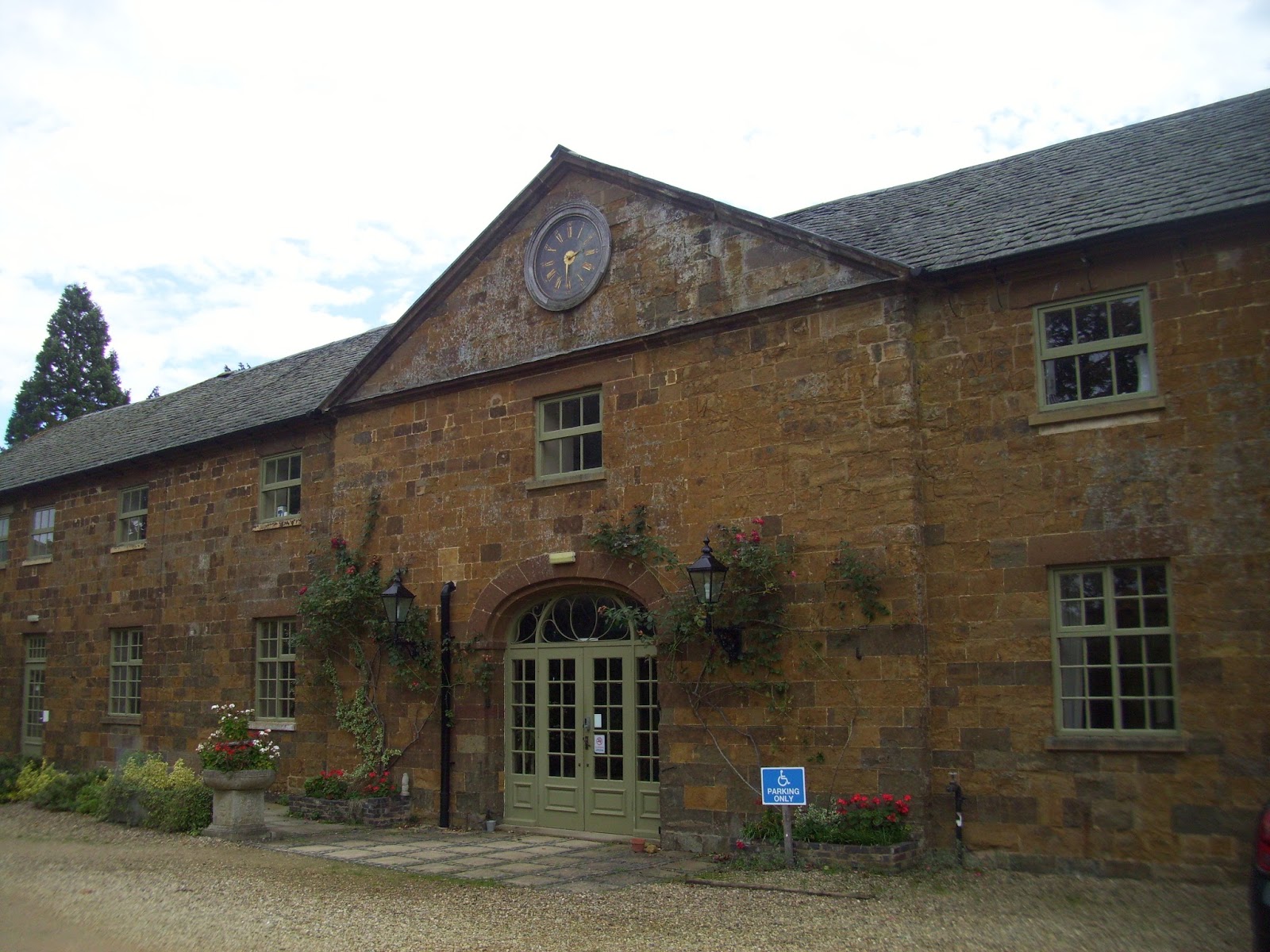
Tom Wyke, Fund Raising and Volunteer Support Officer, and myself as manager have just spent two days in the beautiful surroundings of Launde Abbey in Leicestershire.
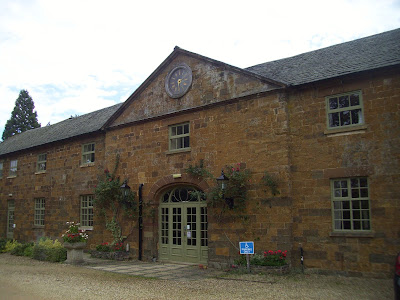
 This residential start to the programme has given us a chance to meet people from the other museums included in the programme and the mentors we will be working with.
 It has been an inspiring and interesting couple of days. Lots to process and think about. We even have homework!
The Abbey is normally a retreat centre, and the peace and tranquility was emphasised by the absence of phone signal and wifi, though there were some hot spots for those who really needed them. I was sent to a tree stump across a field of sheep to find one!
The food was fantastic, including the afternoon break's cream scones.
It has been an inspiring and interesting couple of days. Lots to process and think about. We even have homework!
The Abbey is normally a retreat centre, and the peace and tranquility was emphasised by the absence of phone signal and wifi, though there were some hot spots for those who really needed them. I was sent to a tree stump across a field of sheep to find one!
The food was fantastic, including the afternoon break's cream scones.
 Not only was there a ha ha, but there was also an honesty bar.
 On a more serious note, a lot of hard work was done and I know we came away with a clearer focus for the future and a better understanding of how we might achieve that.
 And the buzz word for the two days was 'friend-raising' alongside fund-raising.


Tuesday, 15 September 2015
Busman's holiday!
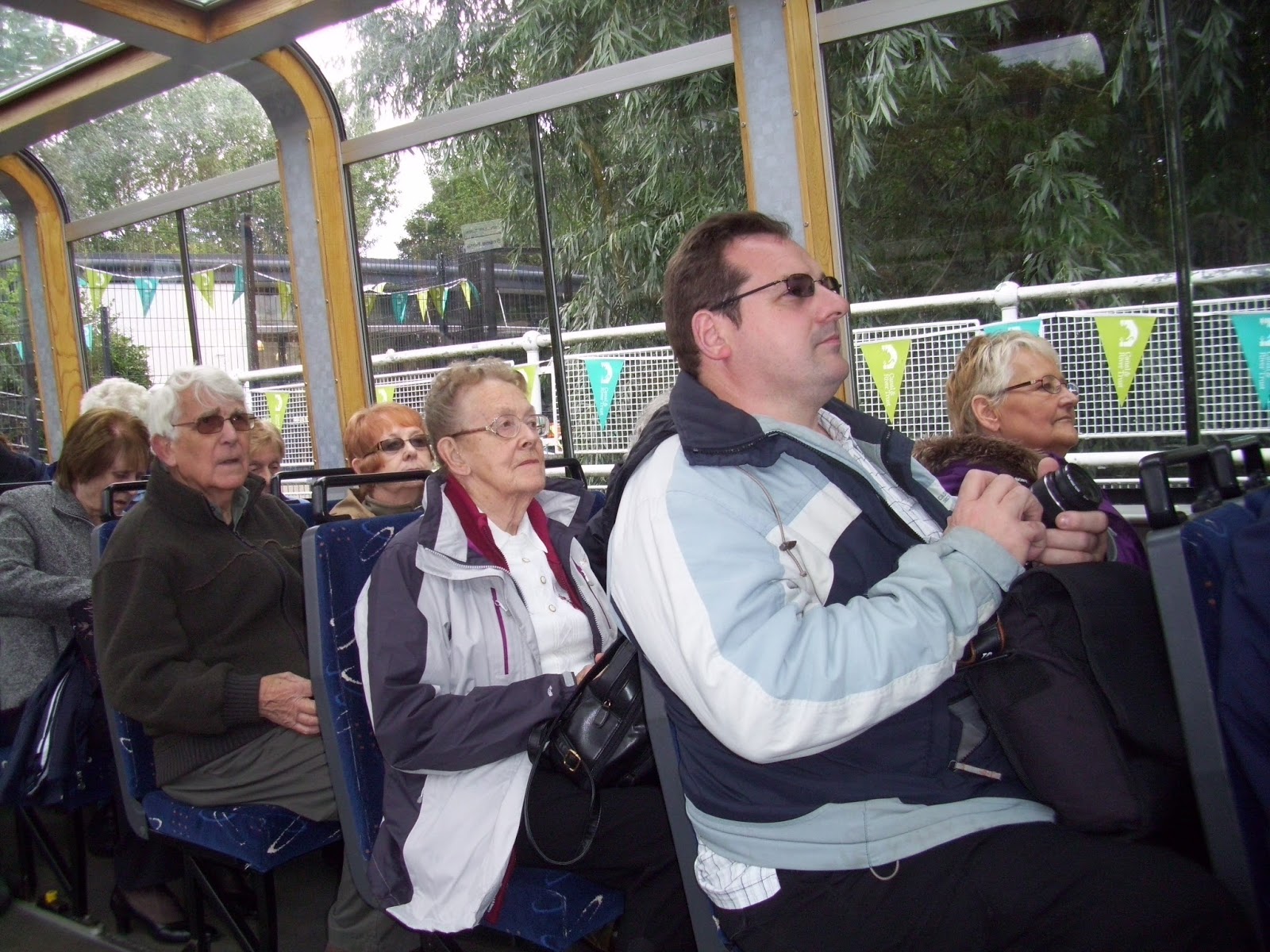
On September 15th we went on a coach trip organised by the North Mill's Volunteers' Association.
The morning was grey and drizzly when we set off, but by the time we got to our destination the sun was shining.
First stop was the Anderton Boat Lift in Northwich. Linking the River Weaver and the Trent and Mersey Canal, it's an amazing feat of engineering, with an interesting history as it adapted to electricity in the 20th century and oil hydraulics more recently. It's still used by canal boats. We went on a boat trip down to the river, and then took a short cruise as far as Northwich. There's a wealth of history there, as well as wildlife interest. Salt mines and the development of polythene, herons and otters, engineering and building techniques to cope with the subsidence caused by salt mines and sink holes.


 There's a fantastic Visitor Centre, with a cafe, gift shop and some great interpretation for all and activities for families.
After lunch we headed for Weaver Hall Museum and Workhouse. The Museum is based in old workhouse buildings and it tells the story of the workhouse. It also has galleries that share and interpret all aspects of Northwich's long and fascinating heritage, including boat building and salt mining.
There's a fantastic Visitor Centre, with a cafe, gift shop and some great interpretation for all and activities for families.
After lunch we headed for Weaver Hall Museum and Workhouse. The Museum is based in old workhouse buildings and it tells the story of the workhouse. It also has galleries that share and interpret all aspects of Northwich's long and fascinating heritage, including boat building and salt mining.


 North Mill volunteers are drawn to machinery wherever they may go!
 Making a beeline for the Workhouse!
It's always interesting to see how other heritage attractions do it, looking at their interpretation, facilities and interaction with visitors. This was a very enjoyable day out, with lots to inspire.
Making a beeline for the Workhouse!
It's always interesting to see how other heritage attractions do it, looking at their interpretation, facilities and interaction with visitors. This was a very enjoyable day out, with lots to inspire.




Wednesday, 9 September 2015
Watching the wheels go round
Stage 6 of the Aviva Tour of Britain, from Stoke on Trent to Nottingham, will be coming through Belper on Friday afternoon, 11th September.
There are painted bikes by the roadsides all along the route, and I have noticed some special shop window displays too.
There's going to be a special market on the Market Place in Belper.
We will be here at the North Mill, watching the wheels go round. What a wonderful invention!
Thursday, 3 September 2015
Heritage Open Days


Subscribe to:
Posts (Atom)